Patient Resources
Therapeutic concepts everyone should know…
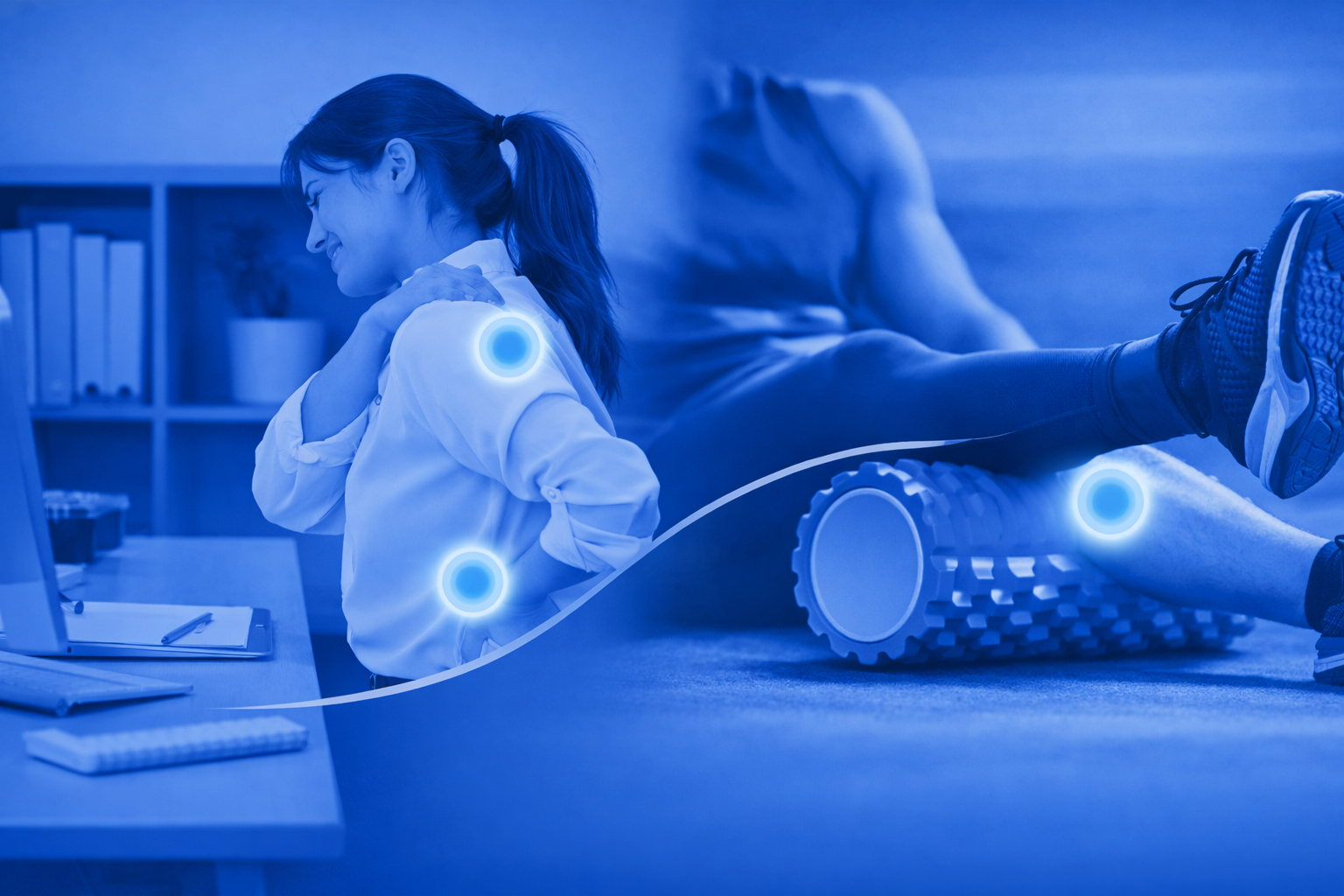
Life is always going, which means we are always going both physically and mentally. Stress, no matter the type, can put strain on our bodies inevitably causing pain. In today’s society we have been programmed to respond to pain with medication, which can overtime affect our resistances to those medications, making them less affective later in life. By following some simple biophysical rules regarding stretching, using recovery tools, using heat and ice packs, and maintaining proper hydration, we have the keys to reducing pain and preventing future injury.
Trigger Point Work
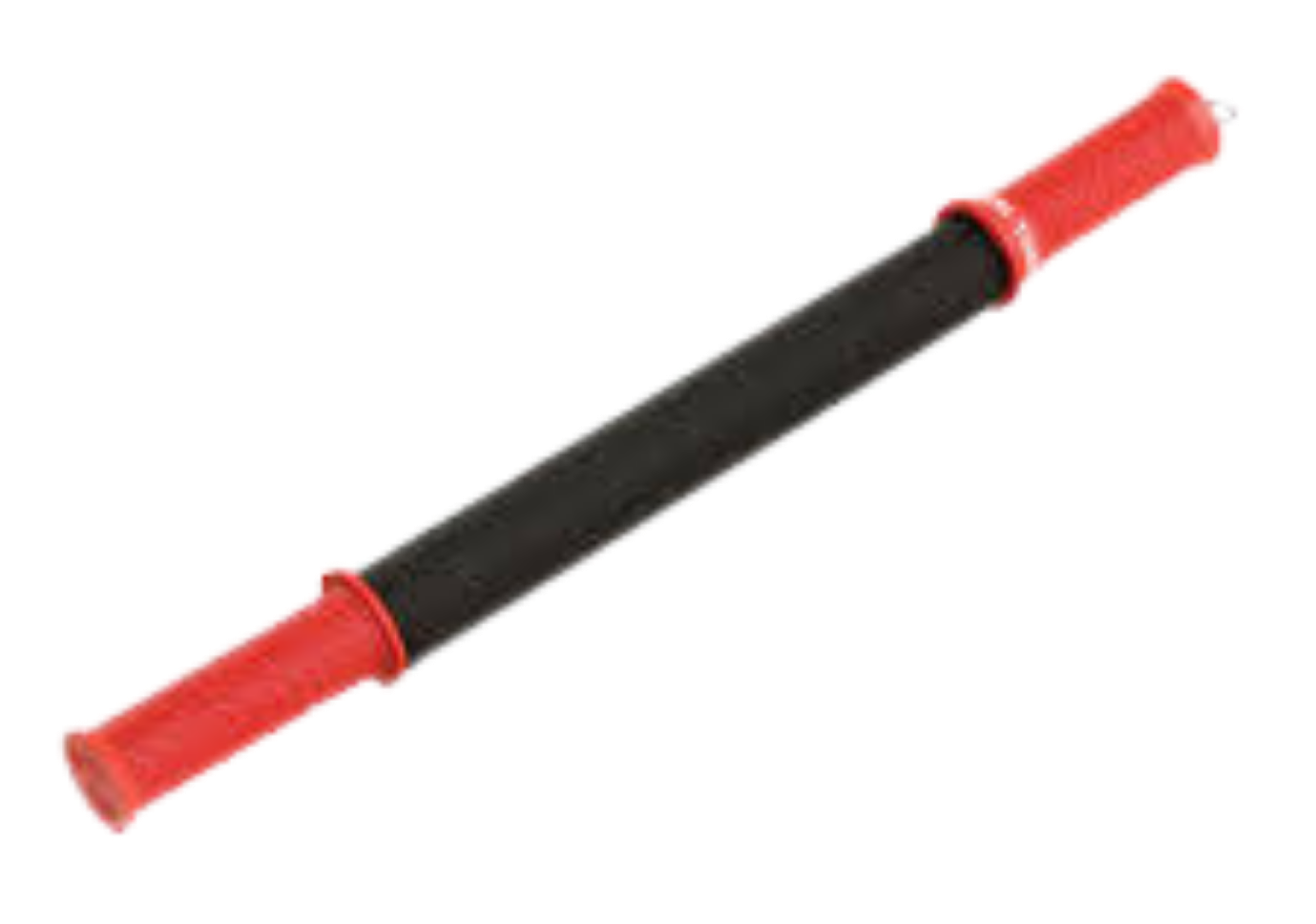
There is a plethora of tools that can be utilized for relieving trigger points, such as:
Tennis balls
Lacrosse Balls
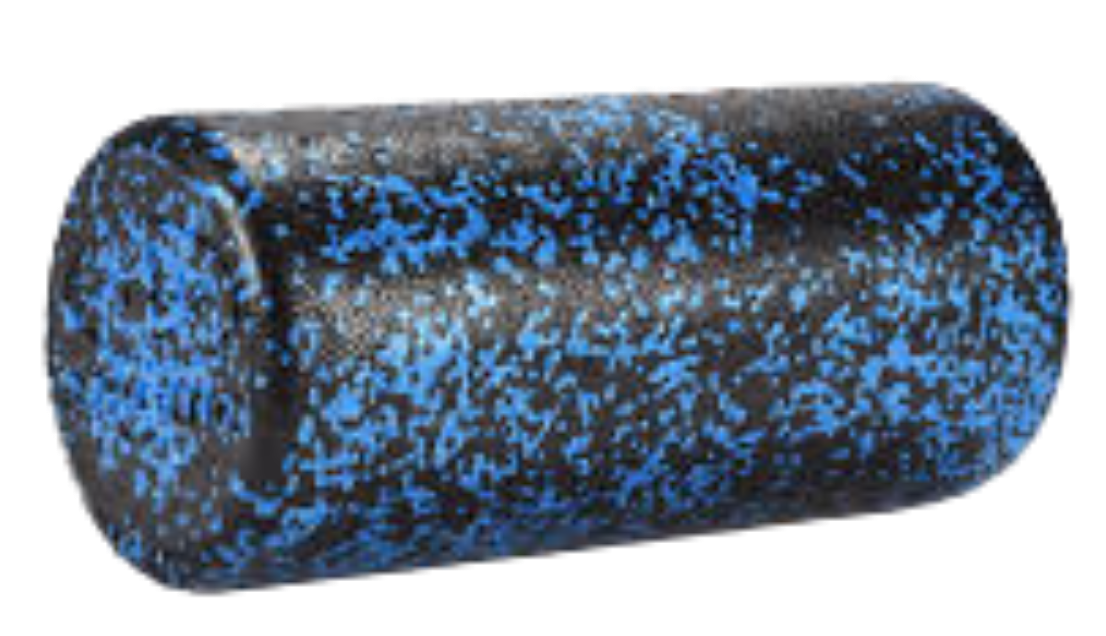
Foam Rollers
Tiger Tails
Gua shas
Massage guns
For best practice, do not spend more than 3 minutes on a single body part to prevent bruising or over-aggravating the muscles.
Ice & Heat
Heating and icing is the backbone to the recovery process. It is the best way without medication to manage inflammation responses to conditions and injuries. When deciding which one to do, it’s not about which process to do, but WHEN to do them. A good rule of thumb to follow is:
Heat BEFORE an activity
Ice AFTER an activity
Heating muscles increases circulation, which increases bloodflow and oxygen to the muscle, relieving muscle tension. This makes heat a good option for those who are stiff first thing in the morning and need some assistance getting started for the day.
Ice, on the other hand, is what we will use to lower our inflammation, which is the culprit for our pain. After we are off work, finished playing a sport, or doing activities that require a lot of bending like gardening, we can use ice packs to flush out the inevitable inflammation we released from our muscles and joints.
IMPORTANT: For both ice and heat, please follow the rule of 20 minutes on / 20 minutes off. Over doing either one can actually trigger physiological responses, increasing inflammation.
Stretching
Stretching is not just for athletes. When we go about our lives doing chores, going to events where we stand for long durations, or work strenuous and even sedentary jobs, we activate muscles and, over time, can exhaust them. At that point, our muscles only know one way to attempt stability for our bodies and that is to tighten up.
Tight muscles are one of the primary reasons for a misalignment in the skeleton. The best way to aleve/prevent the tension is to stretch. It is recommended to hold a stretch for at least 30 seconds, because that is about how long it takes for soft tissue to respond to it.
Proper Hydration
Without a proper amount of daily water intake, our bodies cannot properly regulate. The primary roles that water plays in supporting our bodies are:
It is essential for removing toxins from the kidneys and liver by decreasing inflammatory markers within the organs.
A majority of our connective tissues like ligaments and tendons consist of water. Staying hydrated improves the lubrication of our joints, reducing friction-based pain.
But how much water are we suppose to consume daily? Well, that can vary by the individual. A good rule to follow is to aim for half your body weight in ounces. So, someone who weighs 150 lbs should have about 75 fl oz of water daily.
Interested in learning more about these concepts?
Our chiropractor would be happy to address any questions regarding these topics, but if you would like to deep dive into an in-person appointment, we have options!
Click one of the link below to learn about what they entail…
Posture and Curve Correction Therapy
Fuctional Movement Screening
Your spine is highly adaptable. For example, if you’re frequently looking down at your phone/laptop/etc., your spine will begin to default to that position, causing your neck to lose its natural curve (which can be painful). This is why your posture while sitting is so important!
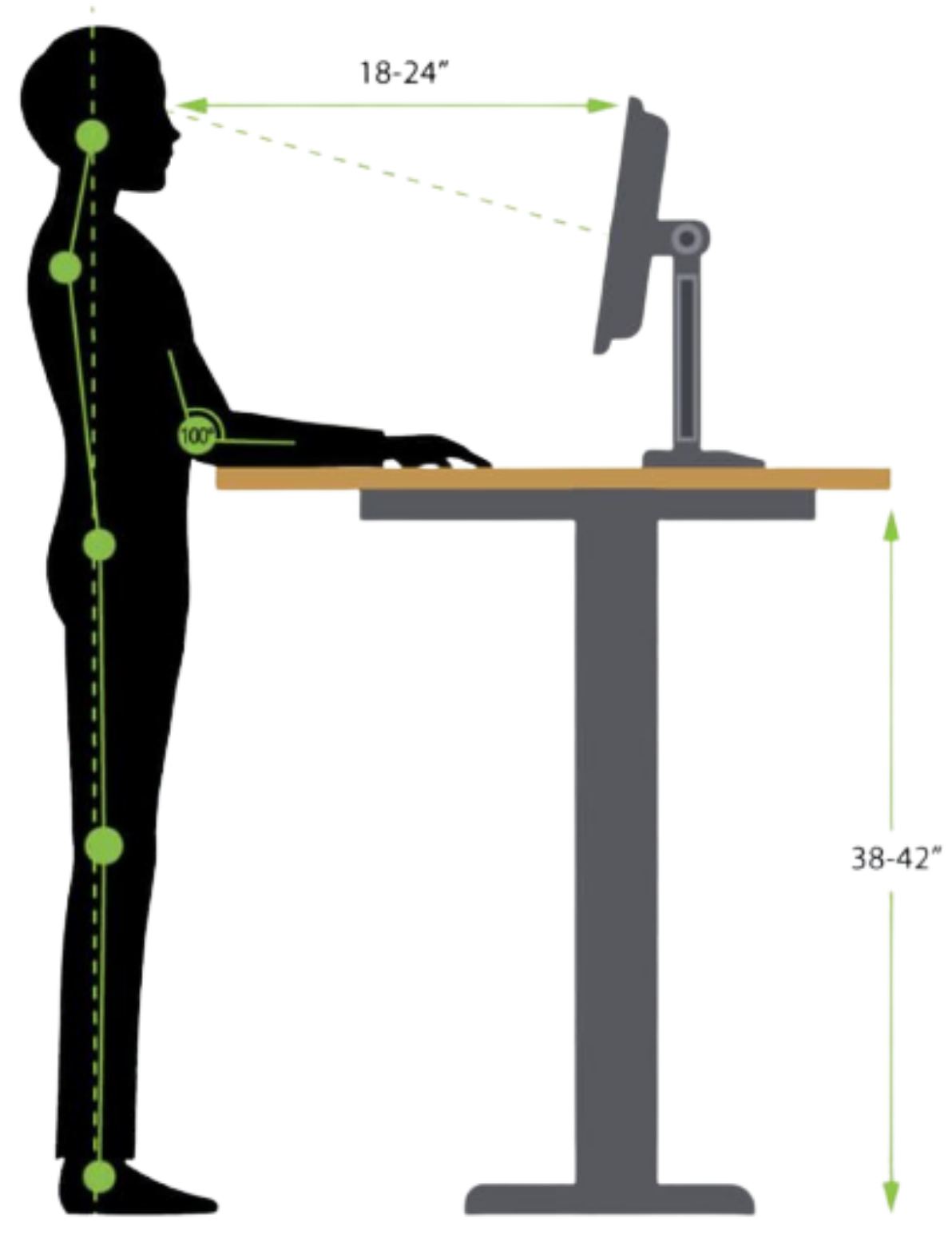
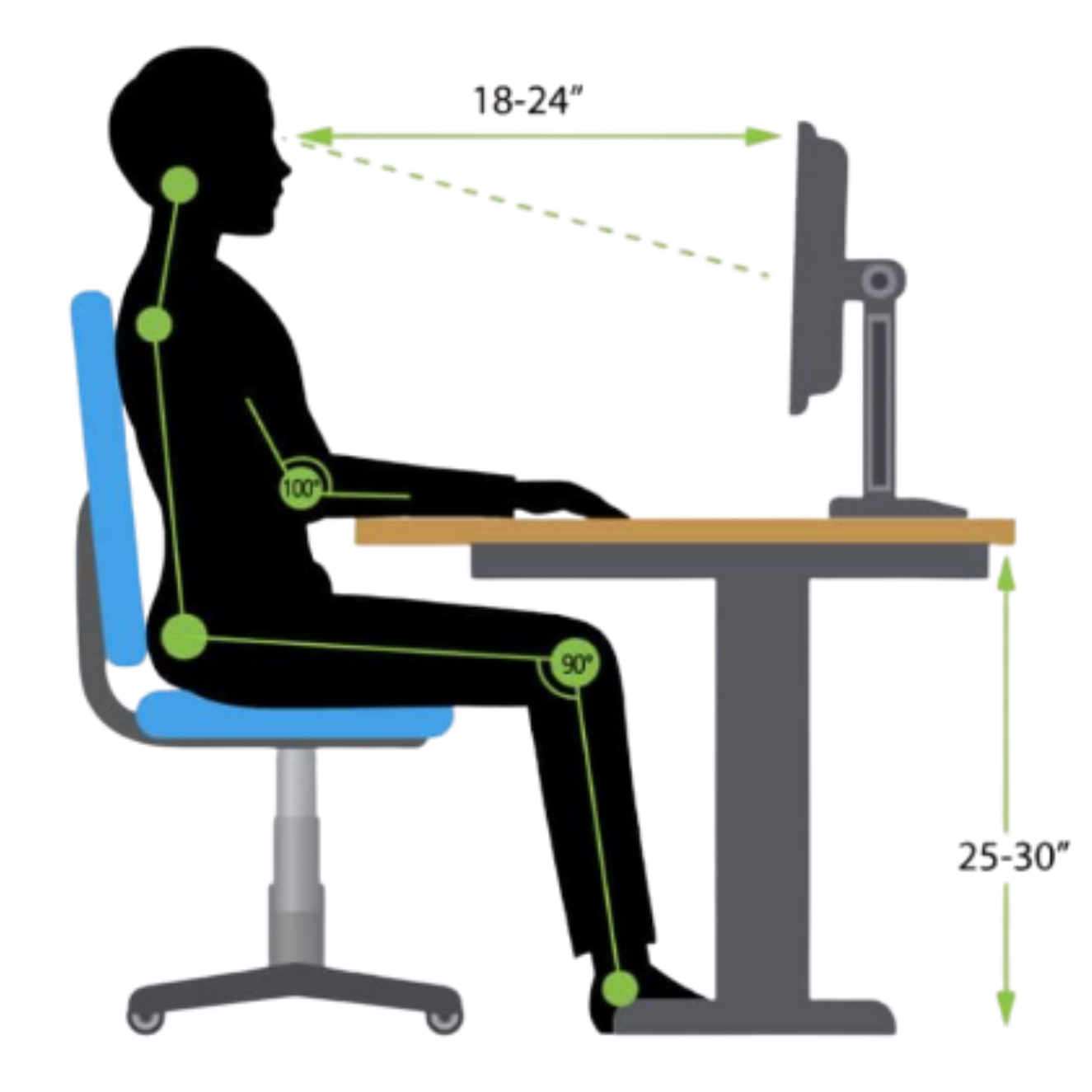
Follow the guidelines listed to see how to set up your work space to keep your spine happy and healthy!
So many of us are working from home these days whether it’s for our job or school. That means you can work while reclining on your couch or laying bed.
Sounds great, right? Your spine doesn’t think so!
Ergonomics in the home or workplace…
Chair Position
The highest point of your seat should be just below your kneecap so your feet can rest on the floor. If you feel pressure near the back of the seat, raise your chair. If you feel pressure near the front of the seat, lower our chair. We want evenly distrubuted weight to be the goal.
The chair should provide lumbar support for the natural curve of your lower back.
The seat should be deep enough so that you can use the backrest comfortably and the front doesn’t press against the back of your knees.
Armrests should not prevent you from pulling your chair close to the desk.
Armrests support your upper forearms and reduce the stress on your shoulders and back. Softer armrests minimize stress on your elbows.
90° Angle Rule
Legs: 90° angle and your feet should be able to touch the floor.
Back: 90° - 110° angle to your lap
Arms: 90 - 100° angle when resting on your work surface
Work Surface
Keyboards should be 1-2 inches above your thighs (if you can’t change the height of your keyboard, raise your chair and use a footrest).
Computer screens should be at least one arm’s length away from you with the top of the screen just below eye level.